PSI (pounds per square inch) is often the first specification people check when comparing pressure washers, but many don't understand what it truly means or what level they actually need. This guide demystifies PSI and helps you choose the right pressure for your projects.
PSI measures the force of water exiting the nozzle. Higher PSI creates more aggressive cleaning action, removing stubborn stains but potentially damaging delicate surfaces. Lower PSI provides gentle cleaning suitable for sensitive materials.
For light residential cleaning tasks - rinsing outdoor furniture, light patio cleaning, and gentle car washing - 1000-1500 PSI suffices. These tasks don't involve stubborn stains.
General residential use like deck cleaning, fence washing, and siding requires 1500-2500 PSI. This range handles most common household cleaning challenges safely. The Sun Joe SPX3000 at 2030 PSI is perfect for this tier.
Driveway and concrete cleaning, removing oil stains, and tackling heavy buildup demands 2000-3000 PSI. The Ryobi 2300 PSI excels here. Be cautious - above 3000 PSI, concrete can suffer damage.
Commercial and heavy-duty cleaning, including preparing surfaces for painting or removing years of buildup, requires 3000-4000 PSI. Gas models like the Simpson MegaShot (3200 PSI) and Westinghouse WPX3200 serve this purpose.
Industrial applications and specialized cleaning need 4000+ PSI.
Here's the critical insight: PSI alone doesn't determine cleaning effectiveness. You also need adequate GPM (water flow). PSI removes stains quickly, but GPM covers large areas. Together, they measure cleaning units (PSI x GPM = CU). A 2000 PSI washer with 2 GPM (4000 CU) cleans more effectively than a 3000 PSI washer with 1 GPM (3000 CU).
Common mistakes include using too-high PSI on inappropriate surfaces. Pressure exceeding 4000 PSI can damage vinyl siding, wood, and painted surfaces. Use 1500 PSI or less for these delicate materials. Use 0-degree nozzles carefully - these concentrated jets are suitable only for concrete and hardened surfaces. Always start with wider angle nozzles (25-40 degrees) and increase pressure gradually.
Different nozzles dramatically affect cleaning. A 0-degree nozzle creates a concentrated stream suitable only for stubborn concrete stains. A 15-degree angle provides aggressive cleaning. A 25-degree angle is the workhorse for general cleaning. A 40-degree angle is gentle for cars and siding. A 65-degree angle or soaping nozzle applies detergent.
Many pressure washers include multiple nozzles, allowing you to adjust pressure without changing the washer itself. This versatility is invaluable - you can use one machine for various projects safely.
Consider your most demanding task when choosing PSI. If your primary use is light residential cleaning, oversizing to 3500 PSI wastes money and power. If your main task is driveway cleaning, 2000 PSI minimum is necessary.
Think long-term about projects you might tackle. A PSI that's adequate now might be limiting later. Most homeowners appreciate having slightly more pressure capability than their immediate needs require.
Remember: it's easier to reduce pressure (use wider angle nozzles or increase distance) than to increase it. Start conservatively and work your way up. For nearly all residential cleaning, 2000-2500 PSI provides the perfect balance of power and safety.
Recommended Products
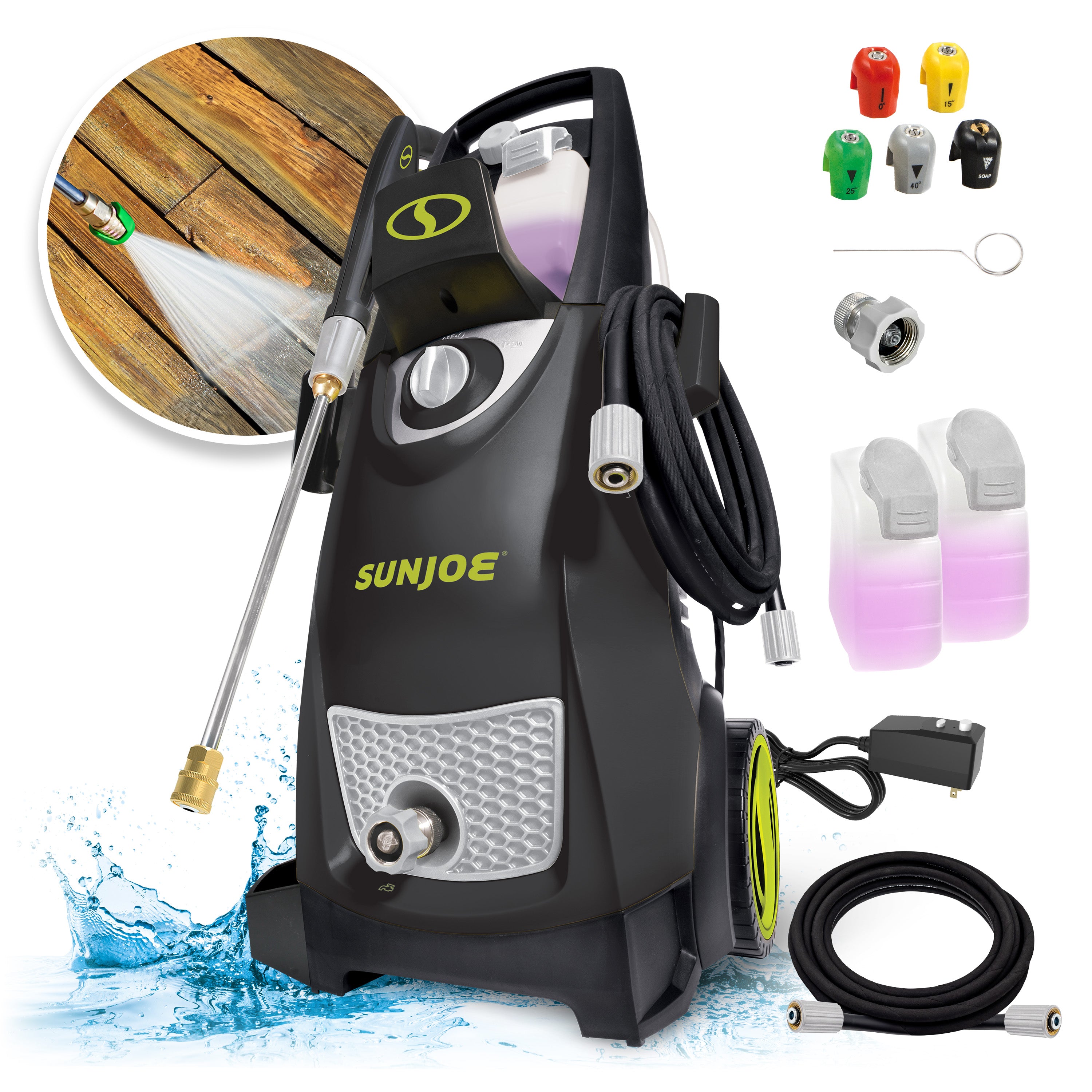
Sun Joe SPX3000
Powerful electric pressure washer with 2030 PSI, perfect for homeowners.
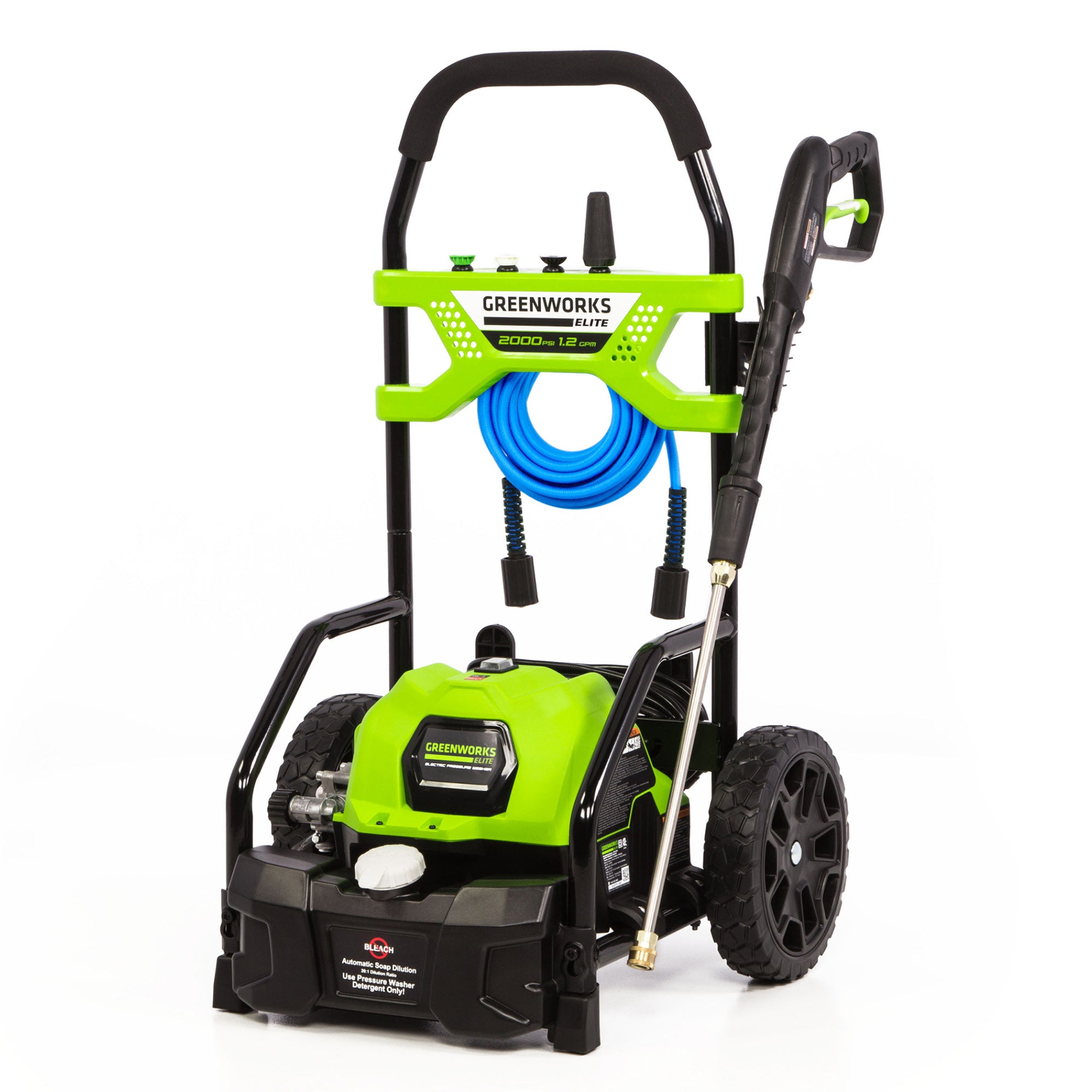
Greenworks 2000 PSI
Reliable electric washer with consistent pressure and cordless convenience.
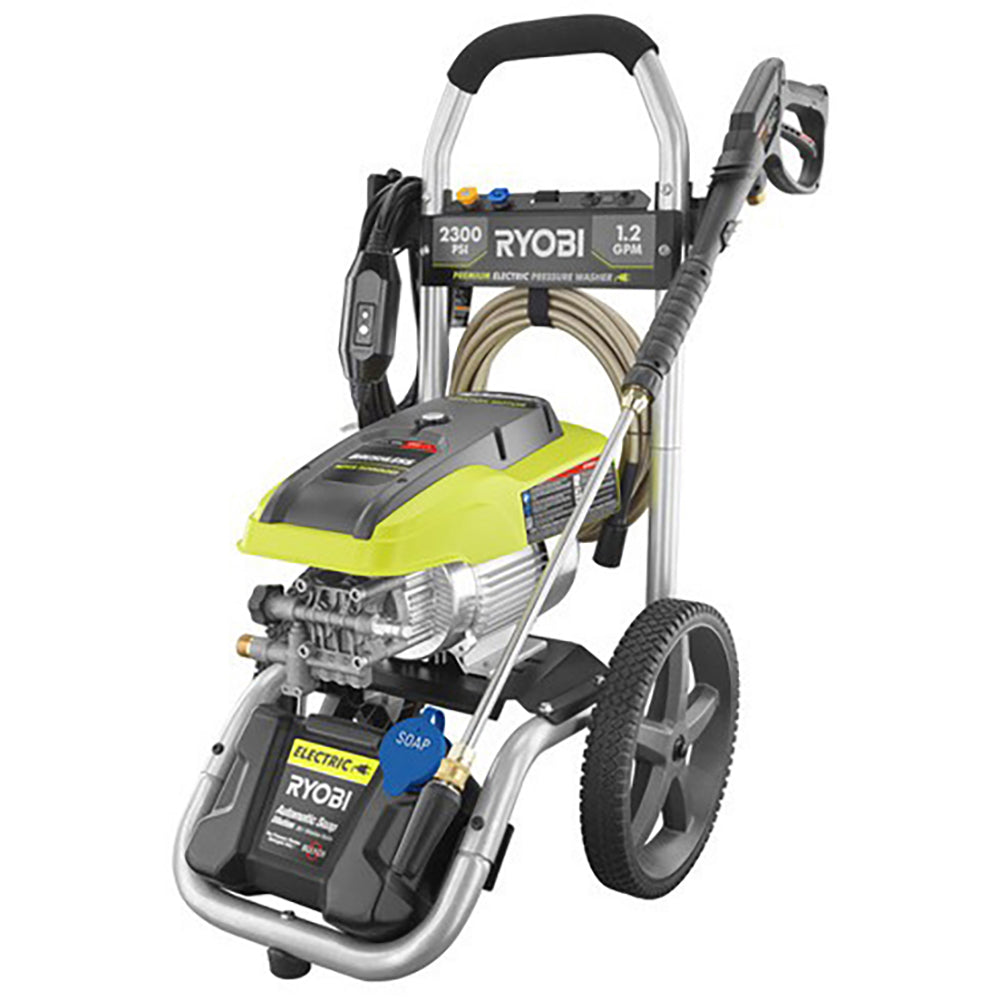
Ryobi 2300 PSI
Premium electric model compatible with Ryobi battery systems.